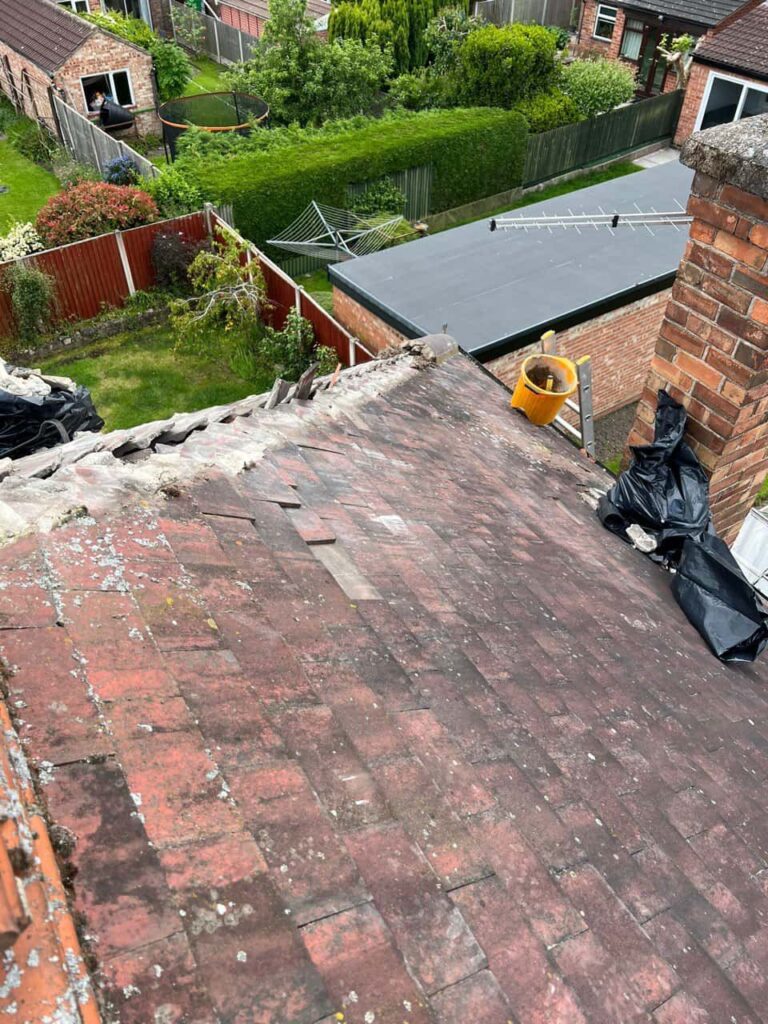
A roof is built to withstand years of exposure to the British weather, but even the strongest roofing materials can deteriorate if damage is left unresolved. What may begin as a single slipped tile or a small crack can gradually develop into a much larger problem, affecting not only the roof itself but also other parts of the property. Acting promptly when issues first appear is one of the most effective ways to protect your home and avoid more extensive repairs.
For homeowners in Barton-upon-Humber, Lincolnshire, understanding how roof damage progresses can help prevent unnecessary disruption and keep their property safe throughout the year. At TRP Roofing Barton-upon-Humber, we provide professional roof inspections, repairs and new roof installations that address roofing problems before they become more serious.
Small Problems Rarely Stay Small
Many roofing issues begin with a seemingly minor defect that is easy to overlook. A cracked tile or loose flashing may not immediately cause visible problems, but every period of rain and every spell of strong wind can make the damage worse.
Common minor issues include:
- Slipped roof tiles
- Cracked slates
- Loose ridge tiles
- Damaged flashing
- Small areas of worn mortar
Repairing these early often prevents larger issues from developing.
Water Finds the Weakest Point
One of the biggest dangers of roof damage is water ingress. Even a tiny opening can allow rainwater to enter the roofing system, where it may spread well beyond the original point of entry.
Over time, this can affect:
- Roof timbers
- Loft insulation
- Ceilings
- Internal walls
- Decorative finishes
Because water can travel before becoming visible indoors, the source of a leak is not always immediately obvious.
Weather Accelerates Deterioration
The British climate continually tests the strength of every roof. Heavy rain, frost, strong winds and changing temperatures place constant pressure on damaged roofing materials.
As defects remain exposed, they may:
- Enlarge through repeated weather exposure
- Allow additional tiles to loosen
- Increase the risk of leaks
- Weaken surrounding roofing materials
Regular inspections help identify these vulnerable areas before they deteriorate further.
Moisture Can Affect the Roof Structure
Once moisture enters the roof, it does not simply disappear. Prolonged exposure to damp conditions can gradually affect the structural components that support the roof.
This may include:
- Timber battens
- Roof rafters
- Underlay
- Ventilation areas
Addressing water ingress promptly helps preserve the integrity of the entire roofing system.
One Defect Can Lead to Another
Roofing systems are designed so that each component works together to protect the property. When one part begins to fail, surrounding materials often come under additional pressure.
For example:
- A slipped tile may expose the underlay.
- Water may weaken nearby timbers.
- Adjacent tiles may become loose.
- Further leaks may develop.
This chain reaction explains why roofing problems often become more extensive over time.
Delaying Repairs Can Increase Maintenance
Postponing repairs rarely stops damage from progressing. Instead, the affected area usually grows larger, making future work more involved.
Prompt repairs help to:
- Prevent further deterioration
- Maintain the roof’s weather resistance
- Protect surrounding roofing materials
- Extend the overall lifespan of the roof
Preventative maintenance remains one of the most effective ways to preserve a roof.
Professional Inspections Identify Hidden Problems
Not all roof damage is visible from ground level. Experienced roofing specialists know where to look for early signs of deterioration that homeowners may not notice.
A professional inspection assesses:
- Roof coverings
- Lead flashing
- Ridge tiles
- Roofline components
- Overall structural condition
Identifying problems early often results in simpler and more effective repairs.
Knowing When Repairs Are No Longer Enough
While many roofing issues can be repaired successfully, widespread deterioration may indicate that the roof has reached the end of its useful life.
Signs this may be the case include:
- Recurring leaks
- Multiple damaged tiles or slates
- Frequent repair requirements
- General ageing across the roof
A professional assessment helps determine whether repairs remain appropriate or whether a replacement would provide greater long-term reliability.
Why Choose TRP Roofing Barton-upon-Humber?
At TRP Roofing Barton-upon-Humber, we provide a complete range of roofing services throughout Barton-upon-Humber, Lincolnshire, including:
- Roof inspections
- Roof repairs
- New roof installations
- Complete roof replacements
- Tile and slate roofing
- Flat roofing
- Lead flashing repairs
- General roof maintenance
Our experienced team focuses on identifying the root cause of roofing problems and delivering durable solutions that protect your home for the future.
Conclusion
Roof damage rarely improves on its own. Small defects can quickly develop into more significant issues as weather, moisture and everyday wear continue to affect the roofing system. Acting early helps prevent avoidable damage, reduces the likelihood of recurring repairs and protects the long-term condition of your property.
For homeowners in Barton-upon-Humber, Lincolnshire, professional inspections and timely roofing work provide the best defence against worsening roof damage. At TRP Roofing Barton-upon-Humber, we deliver expert roofing services that keep homes secure, weatherproof and protected for many years to come.
Call us on: 01652 241 127
Click here to find out more about TRP Roofing Barton-upon-Humber
Click here to complete our contact form and see how we can help with your roofing needs.