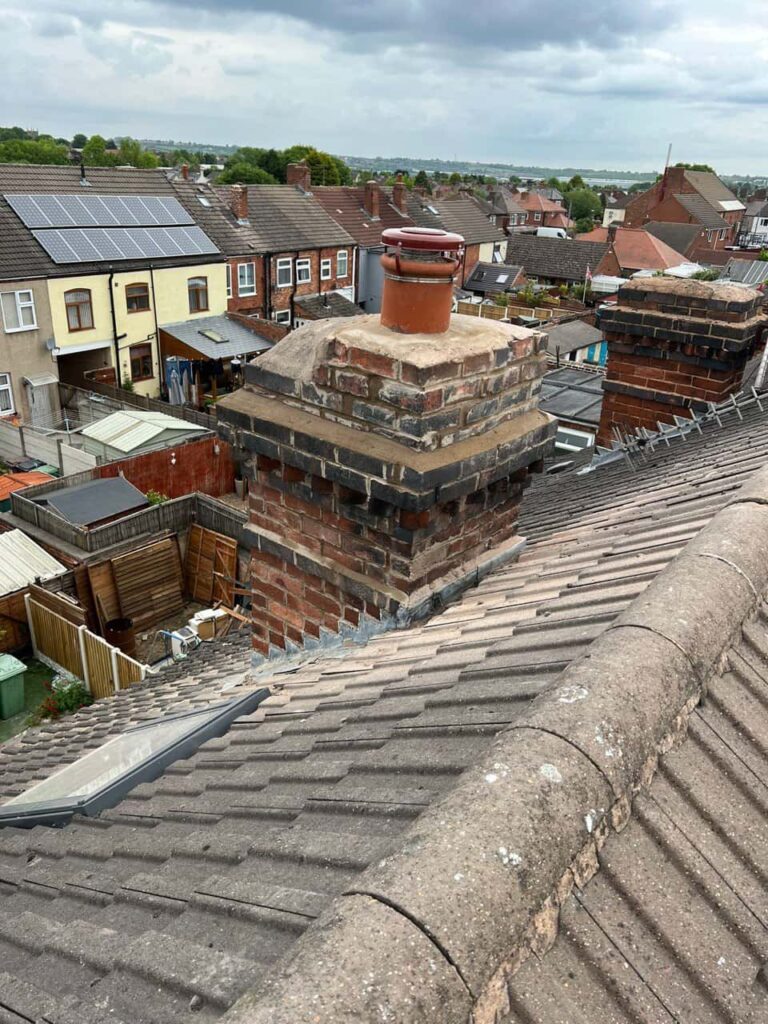
Roof repairs are often the appropriate response to isolated damage. A slipped tile, a small defect in the flashing or a localised leak may be resolved without replacing the wider roofing system. However, repeated or widespread problems can indicate that further patch repairs are unlikely to provide dependable protection.
For property owners in Barton-upon-Humber, Lincolnshire, the decision should be based on the roof’s overall condition rather than one visible fault. A thorough assessment can establish whether the damage remains suitable for repair or whether replacement has become the more practical long-term solution.
Signs That Further Roof Repairs May Not Be Enough
A roof does not necessarily require replacement because it has needed several repairs. The location, extent and cause of those defects are more important than the number alone.
If each problem is isolated and the surrounding materials remain sound, targeted repairs may continue to be effective. Concern arises when defects form part of a wider pattern or when the roof can no longer provide a reliable base for repair work.
Leaks Keep Appearing in Different Places
A recurring leak in one area may indicate that the original source was not fully identified. When water ingress begins appearing in several rooms or at different points across the roof, deterioration may be more widespread.
Water can travel along underlay, battens and roof timbers before becoming visible indoors. Consequently, the damp patch may be some distance from the actual entry point. Repeatedly treating visible symptoms without assessing the entire roof can leave the underlying cause unresolved.
Tiles or Slates Are Failing Across Several Areas
One broken tile or slipped slate can normally be replaced. Regular movement, cracking or loss of materials across multiple roof slopes can indicate weakened fixings, deteriorated battens or ageing roof coverings.
Replacing individual units may offer only temporary improvement if surrounding materials are also approaching failure. The condition of the fixings and supporting layers must therefore be considered alongside the visible damage.
The Underlay and Battens Have Deteriorated
Tiles and slates form the visible roof covering, but they rely on the materials beneath them. Underlay provides secondary protection from moisture, while battens support and secure the covering.
If the underlay has become brittle, torn or extensively damaged, it may no longer direct moisture away effectively. Decayed or weakened battens can also make it difficult to secure replacement tiles reliably. Where these components have deteriorated widely, accessing and renewing them may require the roof covering to be removed.
Numerous Previous Repairs Are Breaking Down
Older roofs often contain repairs completed at different times using materials that have weathered at different rates. Individual patches may remain sound, but the roof can become increasingly inconsistent as surrounding areas continue to deteriorate.
When older repairs begin failing while new defects develop elsewhere, another localised repair may simply move the problem to the next weak point. A replacement can provide a consistent roofing system rather than relying on a collection of ageing repairs.
Ridge, Valley and Flashing Defects Are Widespread
Ridges, valleys, roof junctions and flashing are particularly important because they protect vulnerable transitions and direct rainwater safely away.
One local defect can often be repaired. If mortar is crumbling along extensive ridge sections, several valleys are deteriorated or flashing is failing at numerous junctions, the roof may require more comprehensive work. These connected weaknesses can allow water to enter through several routes.
The Roof Has Lost Its Structural Consistency
Uneven rooflines, widespread sagging or repeated movement of roofing materials can indicate problems beyond the surface covering. Moisture exposure may have affected battens or roof timbers, while previous alterations may have placed uneven loads on the structure.
Structural concerns require careful investigation. Simply replacing visible materials will not resolve movement or deterioration beneath them.
Repairs Are Becoming Increasingly Frequent
The time between repairs can reveal more than the total number completed. Occasional maintenance is expected, but defects that reappear shortly after earlier work may indicate that the roof is declining as a complete system.
A professional assessment should consider the repair history, the areas affected and whether each failure has a shared underlying cause. This helps avoid continuing with isolated work when the roof is no longer likely to remain dependable.
What a Professional Roof Assessment Should Examine
The repair-or-replace decision should be based on evidence. A detailed inspection may consider:
- the condition of tiles, slates and their fixings
- the reliability of ridges, hips, valleys and verges
- flashing around roof junctions
- accessible underlay, battens and roof timbers
- signs of moisture within the roof space
- the position and history of previous leaks
- the extent and condition of earlier repairs
This wider view helps distinguish a repairable defect from general roof deterioration. Replacement should not be recommended simply because a roof appears weathered, just as another repair should not be assumed suitable when several connected components are failing.
Conclusion
Roof repair may no longer be the most practical solution when leaks occur in multiple places, materials fail across several areas, hidden components have deteriorated or previous repairs are no longer lasting. The decisive factor is whether the roof still provides a sound and reliable system around the damaged section.
If your roof in Barton-upon-Humber, Lincolnshire is developing repeated or widespread problems, TRP Roofing Barton-upon-Humber can carry out a professional assessment and explain the appropriate options. Contact the team to arrange an inspection and receive guidance based on the roof’s actual condition.
Call us on: 01652 241 127
Click here to find out more about TRP Roofing Barton-upon-Humber
Click here to complete our contact form and see how we can help with your roofing needs.